Available Models
The HitPaw Enhancement API offers specialized AI models meticulously engineered for both video and image processing workflows. Our models are trained to deliver industrial-grade restoration, focusing on spatial fidelity and temporal stability.
1. Video Enhancement Models
Video restoration requires a specialized approach. Our video engines ensure smooth transitions between frames, eliminating flickering and jitter while reconstructing fine details.
Ultra HD Model
Corresponding to: Ultra HD Model
Overview: A super-resolution interface designed for high-definition output. It enhances video clarity and restores natural, fine textures to achieve "Ultra HD" quality.
Technical Features: Relies on Deep Convolution and Feature Learning. It excavates fine textures from the base image data to improve resolution and overall clarity. It is specifically tuned to handle mid-frequency textures, ensuring that lines are smooth (anti-aliased) and free of jagged edges, resulting in a clean, professional upscale.
Examples:
Generative Video Model
Corresponding to: Generative Model
Overview: A cutting-edge video generation and repair interface based on advanced Stable Diffusion (SD) technology. It is specifically engineered to salvage extremely low-quality video inputs by hallucinating and reconstructing natural, realistic details that traditional upscalers cannot recover.
Technical Features:
- Superior Temporal Consistency: Leverages a multi-frame SD architecture with sophisticated cross-frame temporal modeling (including Temporal Attention and Memory Mechanisms).
- Enhanced Multi-Frame Reconstruction: Fuses information across multiple frames to identify and complete missing details unrecoverable from single-frame analysis.
Examples:
Video Face Soft Model
Corresponding to: Face Soft Model
Overview: Provides a video interface for face softening and stylistic enhancement. It supports detecting and optimizing human faces, ensuring stable and beautified results across video frames.
Technical Features: Core technology involves facial prior knowledge combined with spatial feature alignment. It efficiently removes degradation without needing complex iterative steps, keeping the person's identity distinct.
Examples:
Video Portrait Restoration
Corresponding to: Portrait Restore Model
Overview: A specialized interface for repairing multiple faces in videos. It fixes blur and noise to enhance facial clarity while ensuring temporal stability across the video sequence.
Examples:
General Video Restoration
Corresponding to: General Restore Model
Overview: A general-purpose interface for restoring fine details in videos. Based on GAN technology, it achieves comprehensive restoration including de-noising, de-blurring, and detail enhancement.
Examples:
Video Motion Interpolation
Corresponding to: Frame Interpolation Model
Overview: An interface for video motion interpolation that increases and smooths the motion frame rate. It generates intermediate frames to reduce motion blur and make action look extremely fluid.
Technical Features:
- Target Frame Rate Specification: Requires specifying the target frame rate via the
frame_rateparameter (supports up to120FPS). - High-Speed Motion Smoothing: Ideal for sports, high-action footage, or low-fps recordings that need to be upscaled to cinema-grade high frame rates without introducing artificial warping artifacts.
2. Image Enhancement Models
Our image models are categorized to suit different professional needs: Standard (focusing on strict fidelity and accuracy) and Generative (focusing on creative reconstruction).
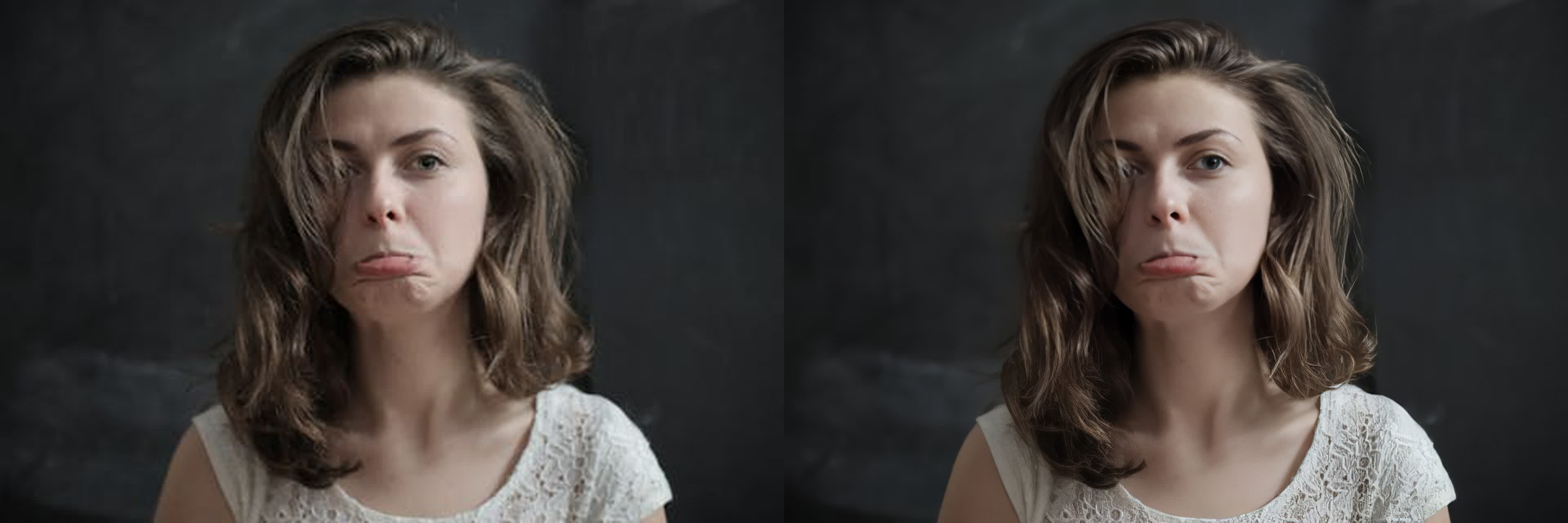
Portrait Model (Natural)
Corresponding to: Face Natural Model 2x / 4x
Overview: A specialized V2 model designed to improve low-quality portrait images. Unlike the "Clear" model, this version prioritizes the retention and restoration of realistic skin textures and facial details.
Technical Features: Focuses on high-fidelity texture recovery. It restores the natural grain and pores of the skin, providing a result closer to original raw photography rather than a smoothed "beauty filter" look.
Examples:
Portrait Model (Clear)
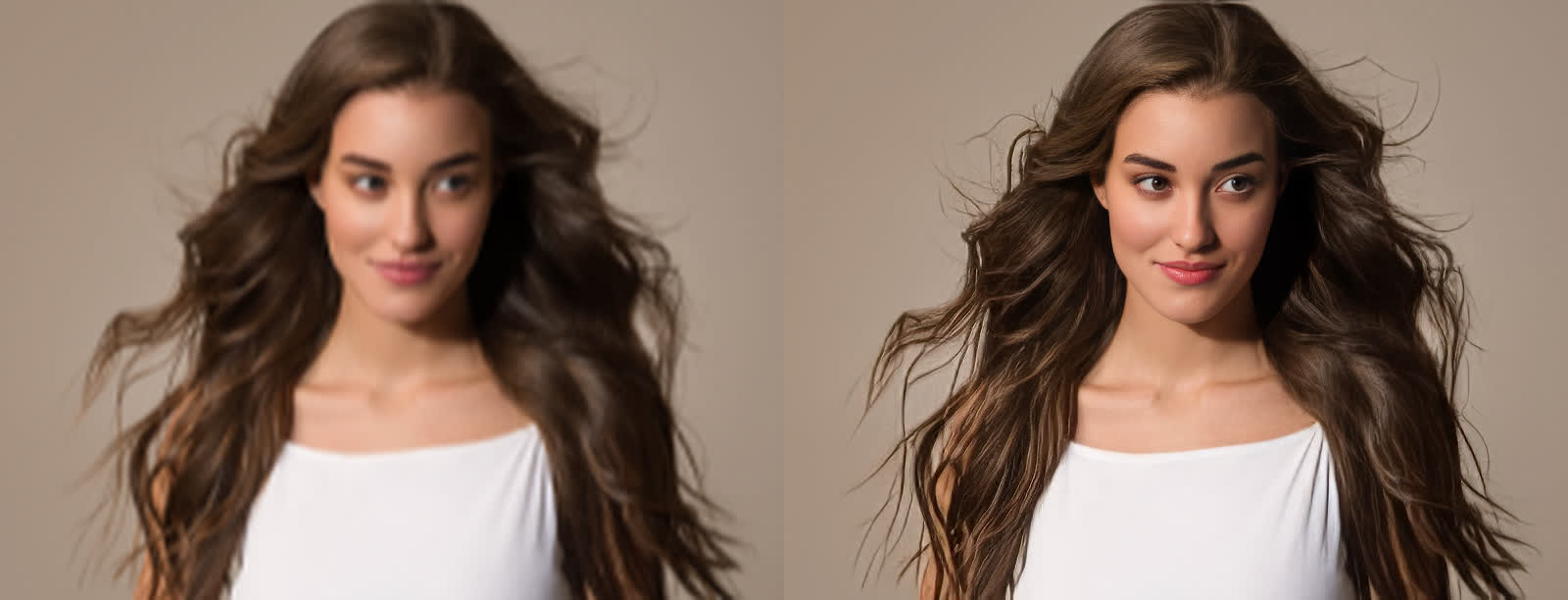
Corresponding to: Face Clear Model 2x / 4x
Overview: Provides a dual-model interface ("Face + Background") for 2x and 4x super-resolution. It optimizes portrait quality by combining a soft style for facial features with sharp detail generation for the background.
Examples:
Generative Portrait Model
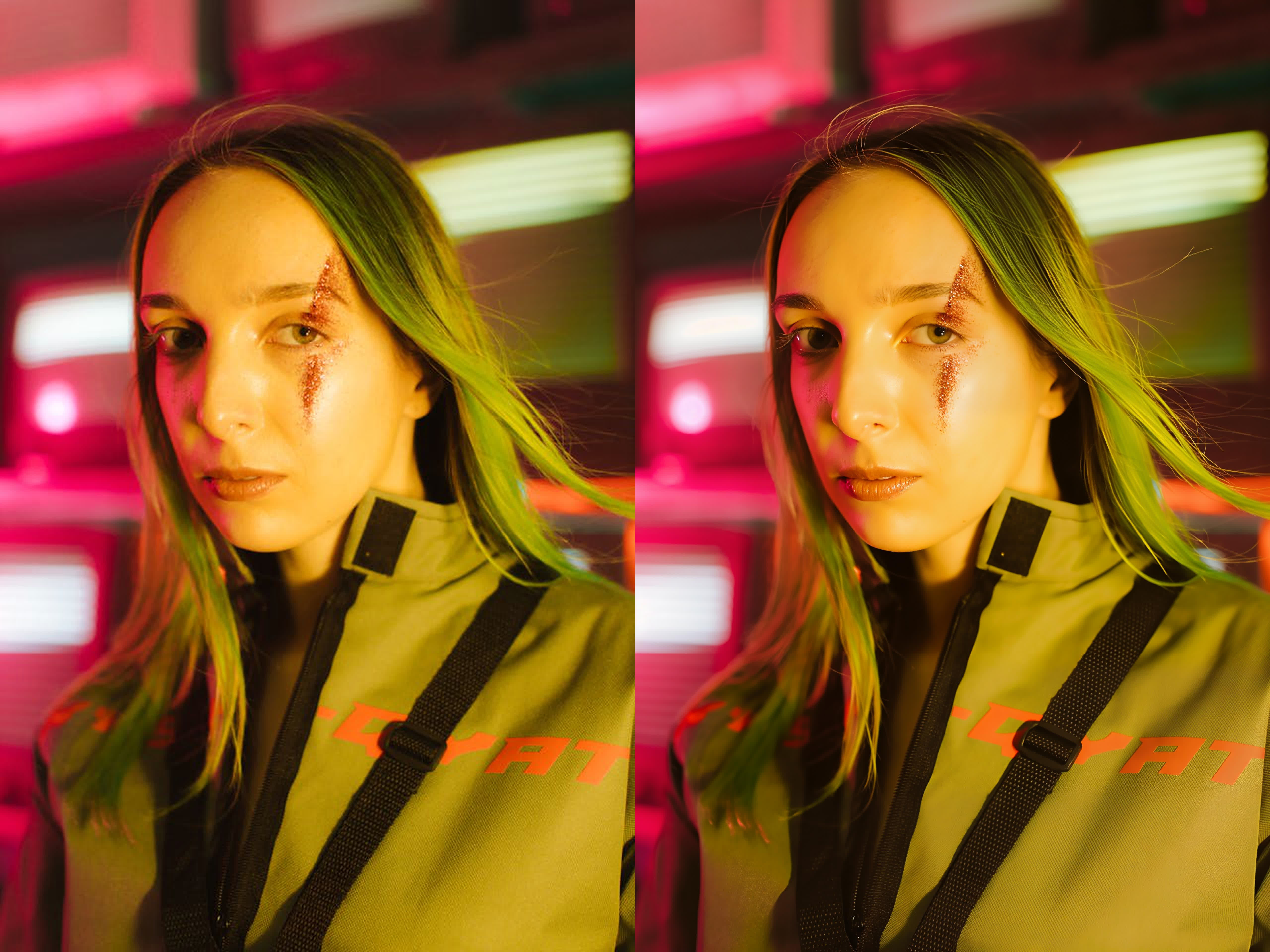
Corresponding to: Generative Portrait Model
Overview: A Diffusion-based super-resolution interface specifically for human subjects. Best for extremely low-quality portraits where traditional upscalers fail.
Examples:
Generative Enhance Model
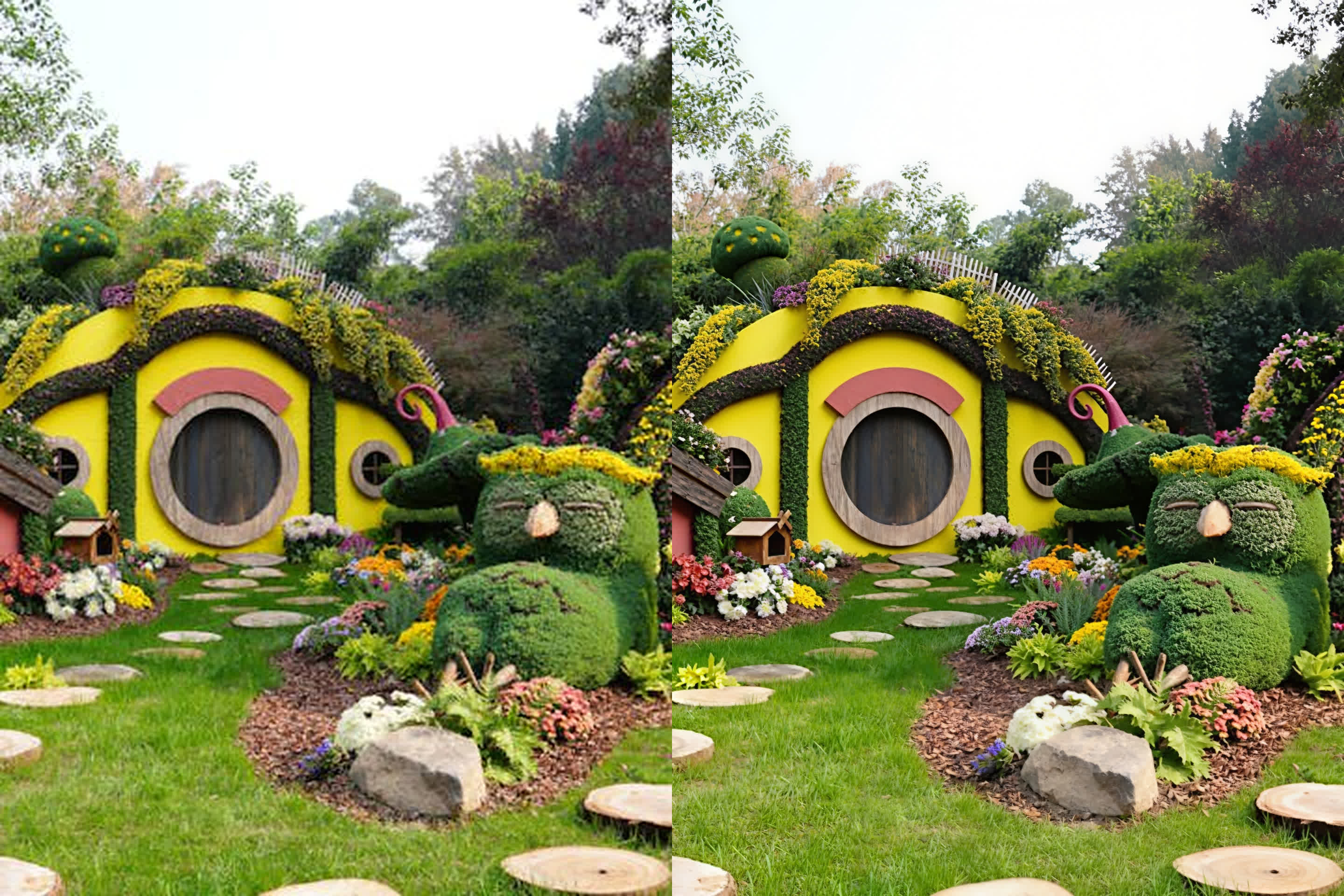
Corresponding to: Generative Enhance Model
Overview: A general-purpose Diffusion super-resolution interface. It excels at reconstructing fine details and textures in non-human subjects (landscapes, objects, architecture).
Examples:
General Enhanced Model
Corresponding to: General Enhance Model 2x / 4x
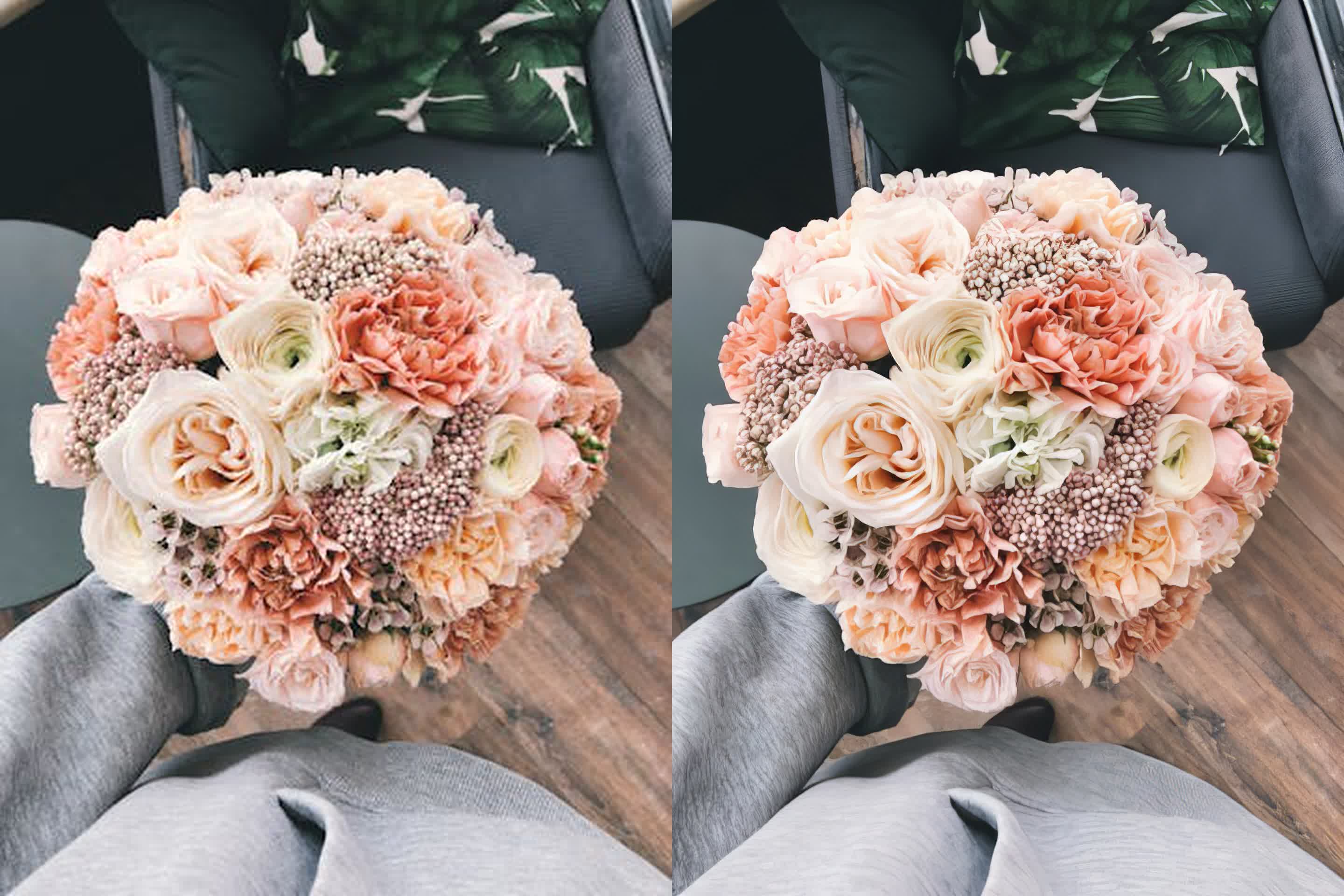
Overview: Provides interfaces for 2x and 4x super-resolution enhancement in general scenarios. Built on a specialized super-resolution architecture, this model prioritizes the restoration of clarity and the generation of sharp, detailed textures.
Examples:
High Fidelity Model
Corresponding to: High Fidelity Model 2x / 4x
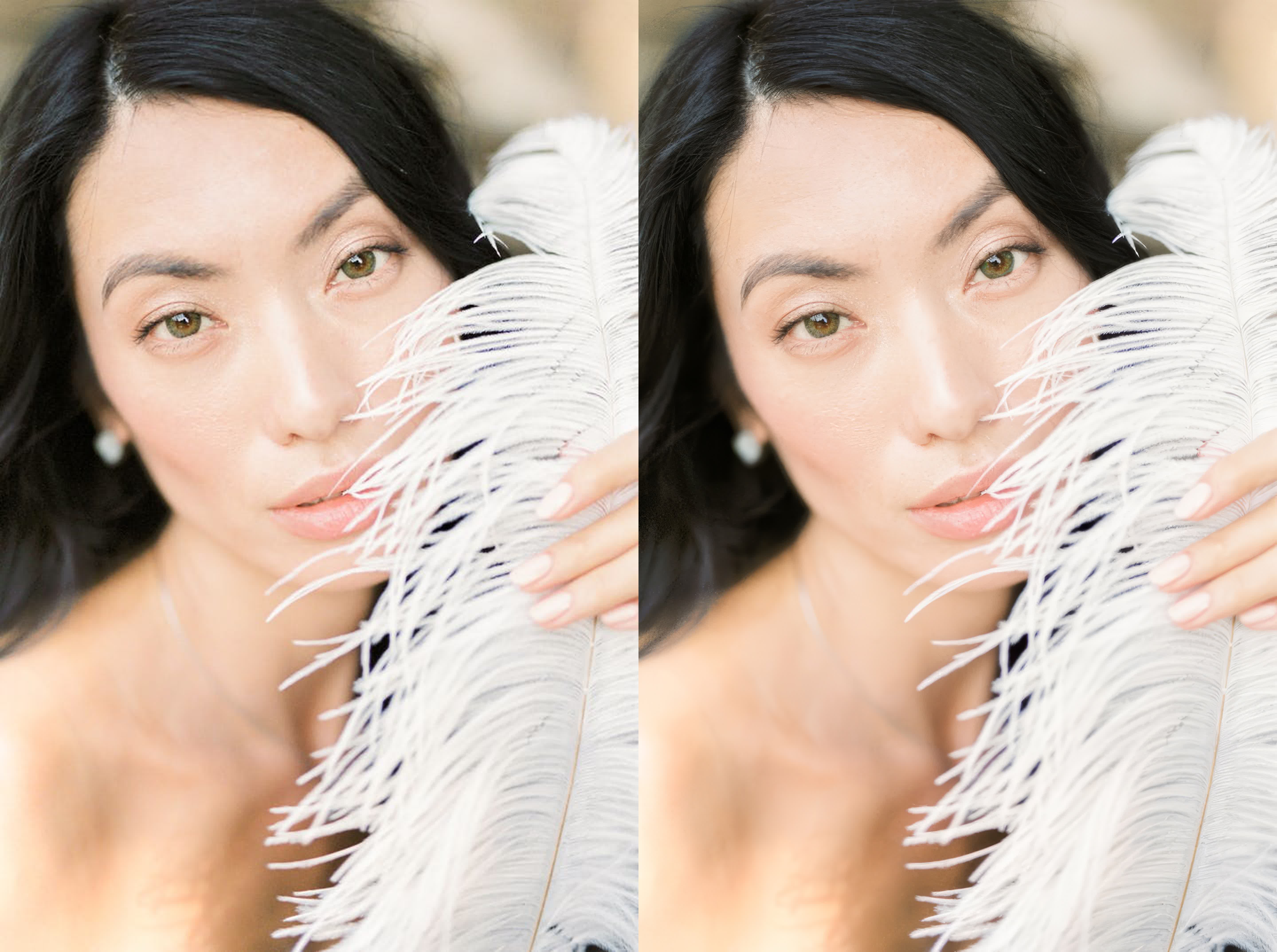
Overview: A super-resolution model designed for high-quality input images. It focuses on increasing resolution while strictly preserving the high-quality details and distinct textures of the original image.
Examples:
Sharp Denoise Model & Detail Denoise Model
Corresponding to: Sharp Denoise Model & Detail Denoise Model
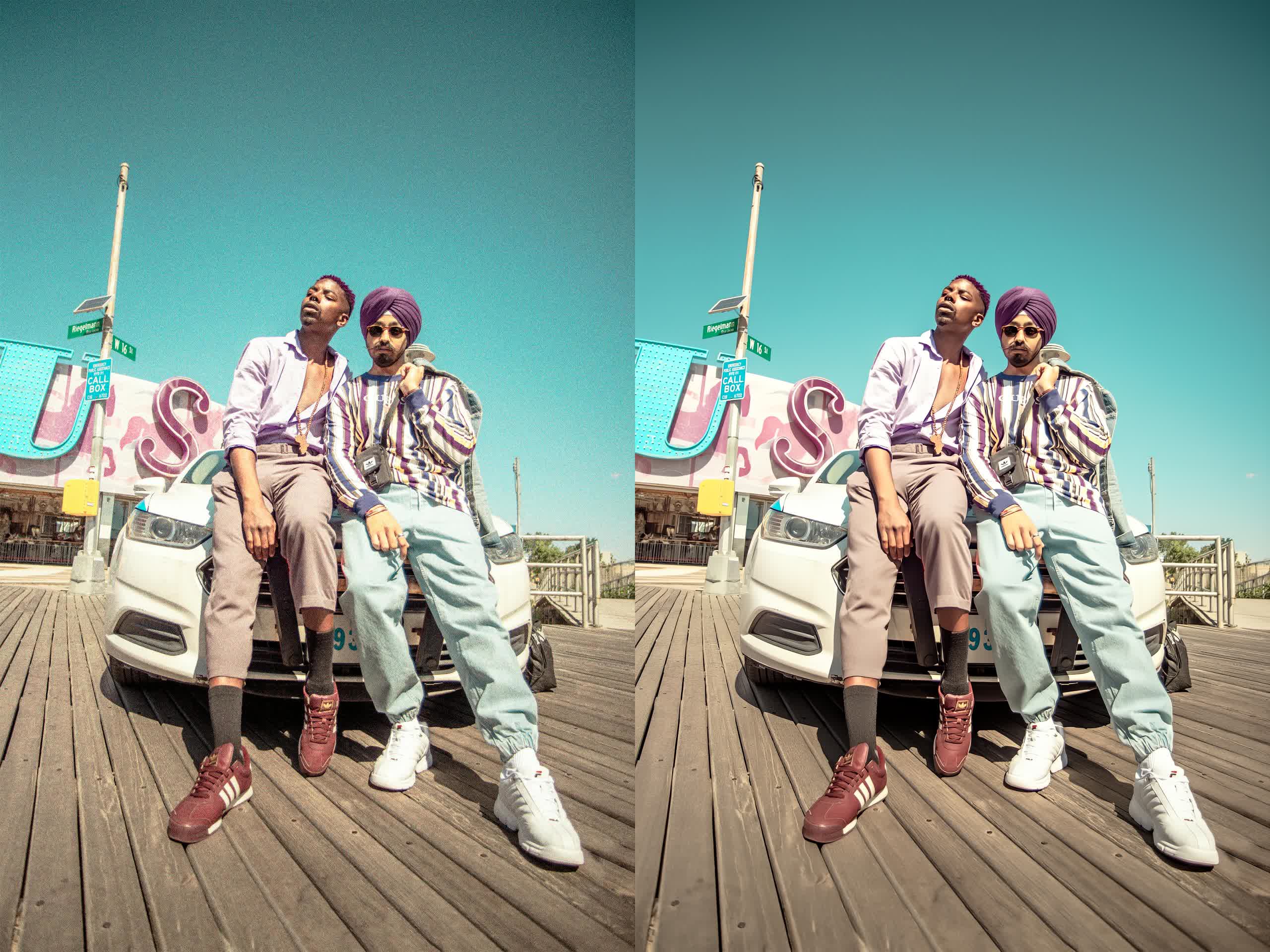
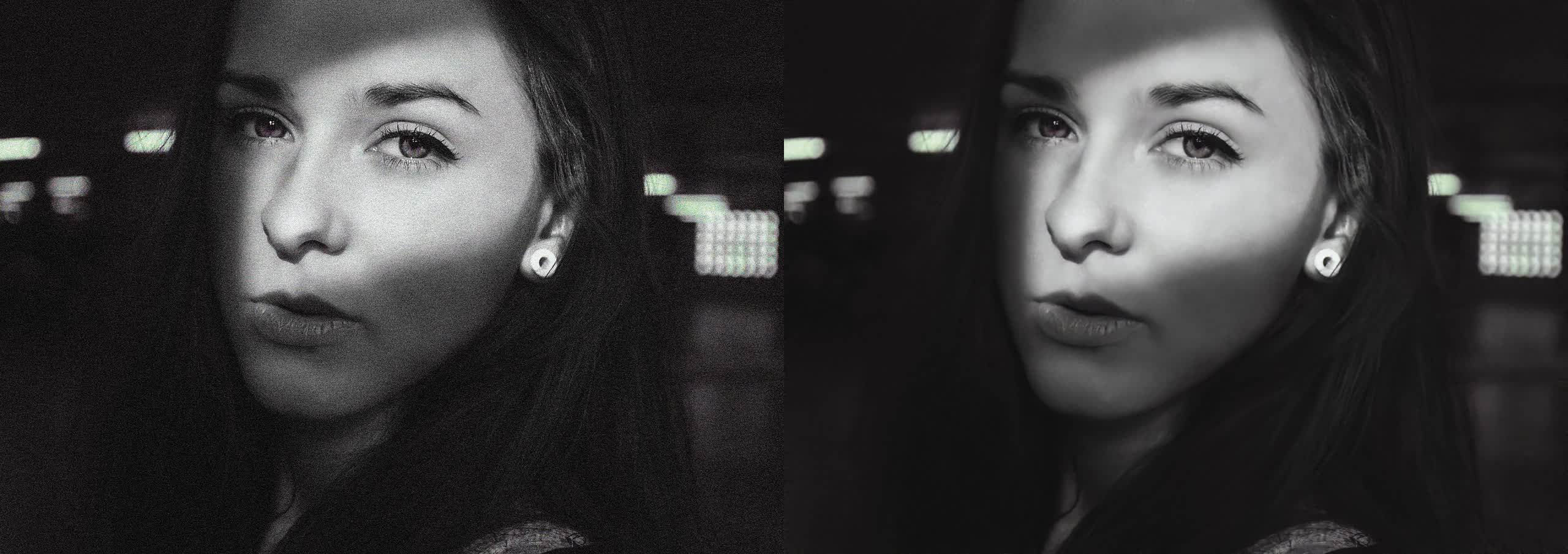
Overview: 1x enhancement interfaces (no resolution change) designed for removing noise. Sharp Denoise aggressively removes noise and sharpens details. Detail Denoise strictly adheres to original textures to preserve natural fidelity without over-sharpening.
Examples:
Get started by purchasing and managing your keys on the HitPaw API Platform to unlock full access to the HitPaw Enhancement API.