Available Models
Generative & Diffusion
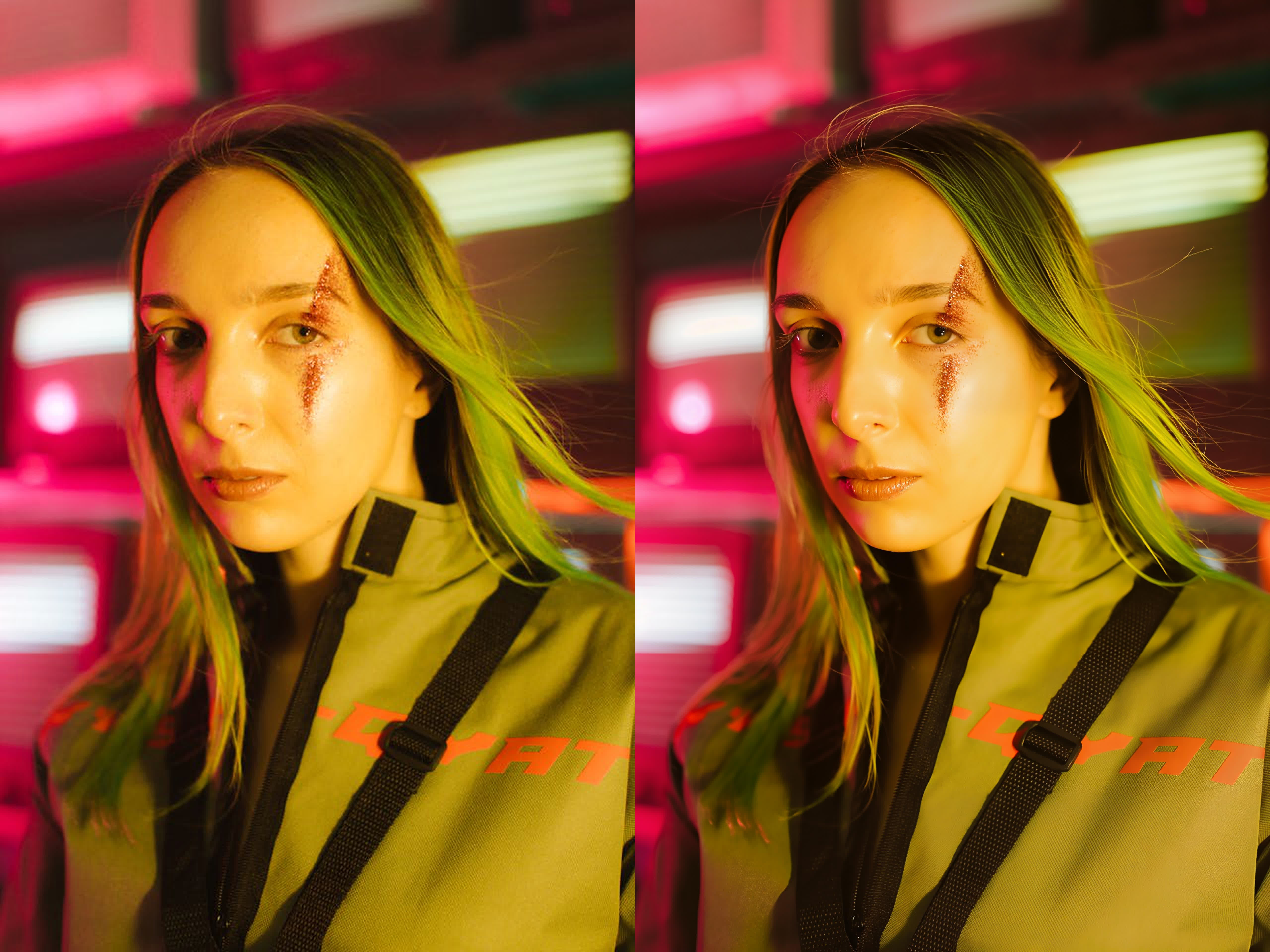
Generative Portrait Model
Corresponding to: Generative Portrait Model
Overview: A Diffusion-based super-resolution interface specifically for human subjects. It supports adjustable upscaling (1x to 4x) and adapts to the portrait to generate high-fidelity details.
Technical Features: Leverages Diffusion technology to hallucinate and reconstruct realistic details. It prioritizes natural skin textures and facial features, significantly improving clarity while maintaining a natural look.
Use Cases: Best for extremely low-quality portraits where traditional upscalers fail. It "re-imagines" the details to create a high-quality portrait from a blurry input.
Examples:
Generative Enhance Model
Corresponding to: Generative Enhance Model
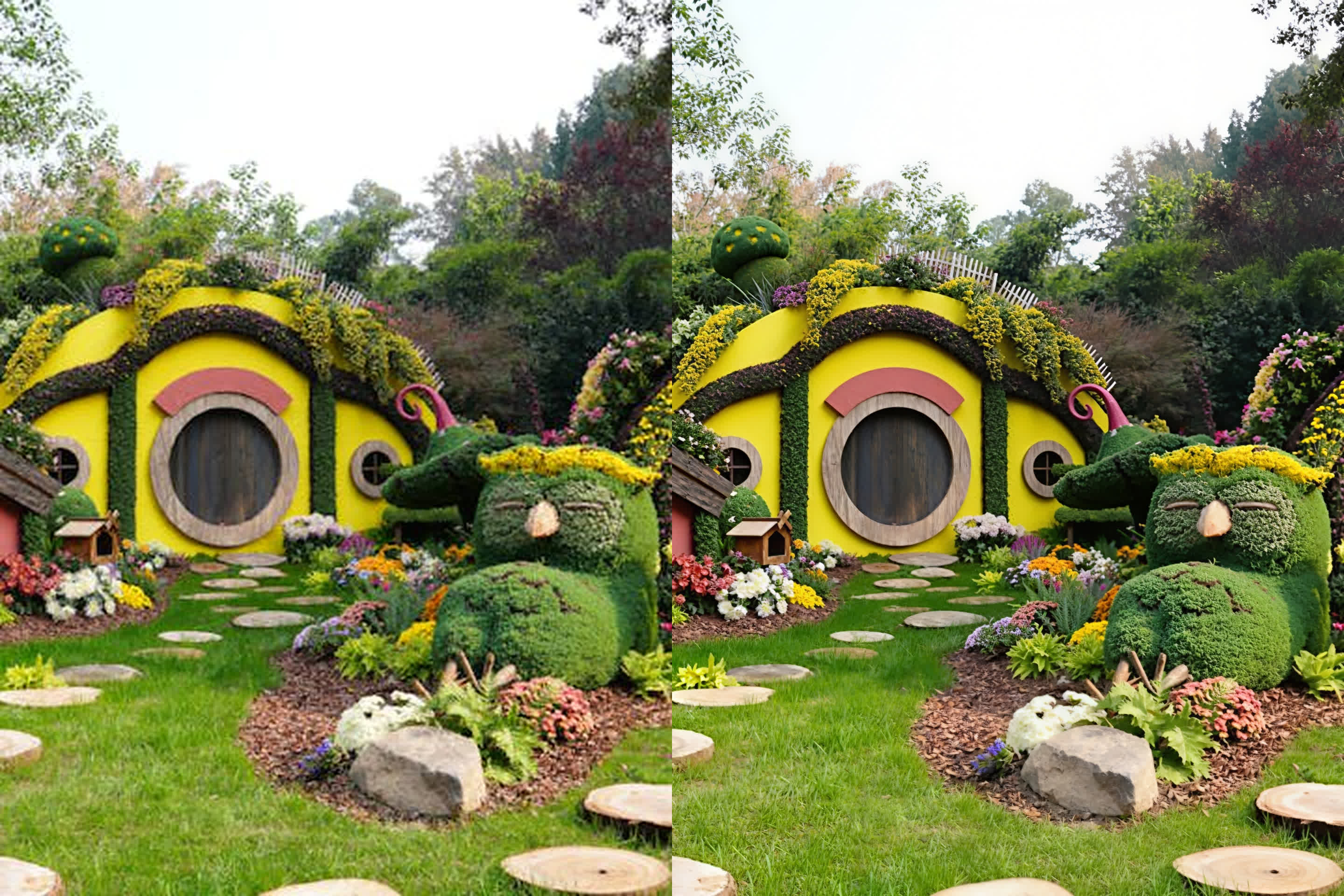
Overview: A general-purpose Diffusion super-resolution interface. It supports adjustable upscaling (1x to 4x) and adapts to various content types to enhance low-quality images.
Technical Features: Focuses on texture generation and sharpening. It excels at reconstructing fine details and textures in non-human subjects (landscapes, objects, architecture), producing a highly sharp and detailed output.
Use Cases: Ideal for heavily compressed or very low-resolution general images that require significant reconstruction of details to look acceptable at higher resolutions.
Examples:
Upscale & Enhancement
Portrait Model (Clear)
Corresponding to: Face Clear Model 2x / 4x
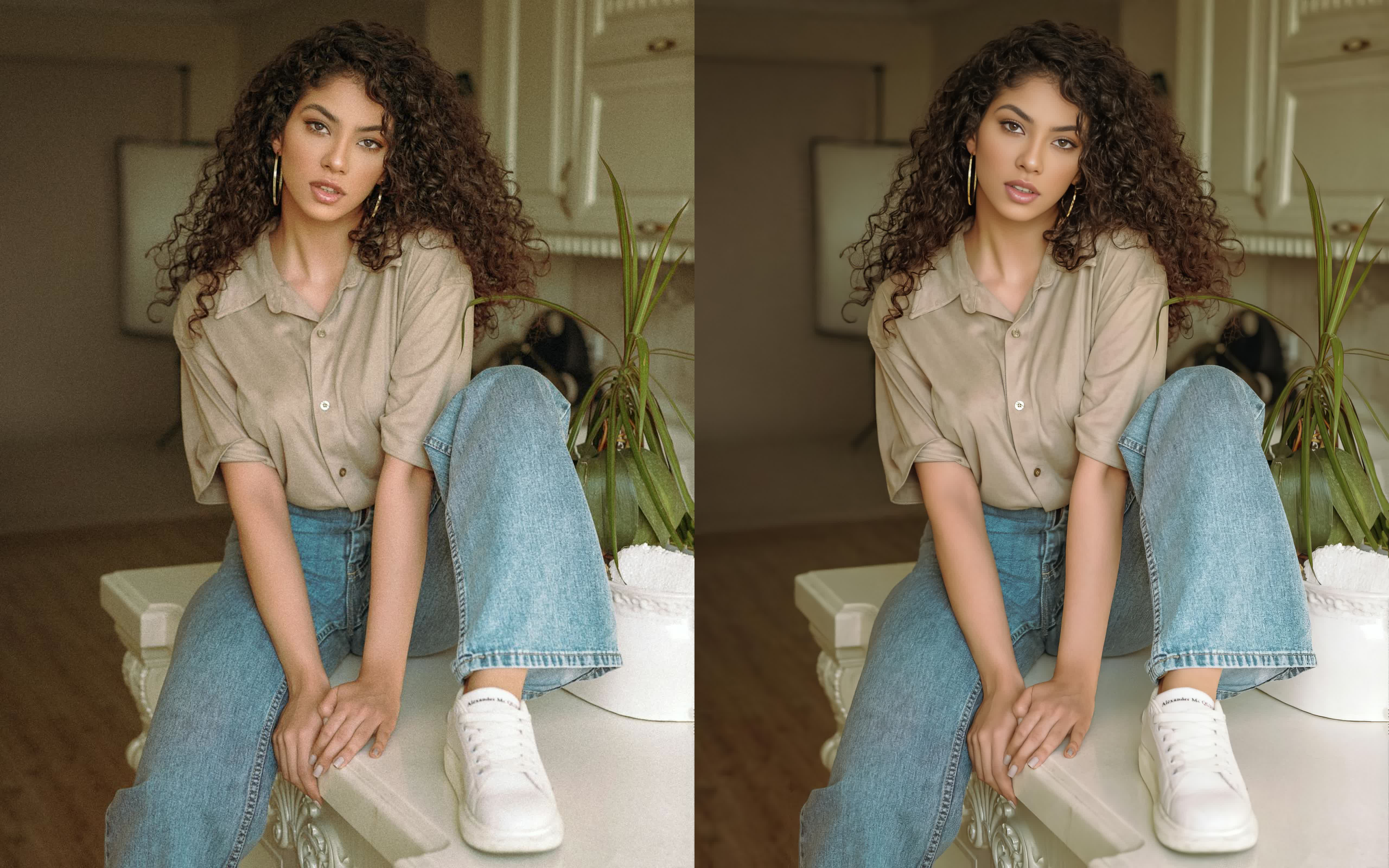
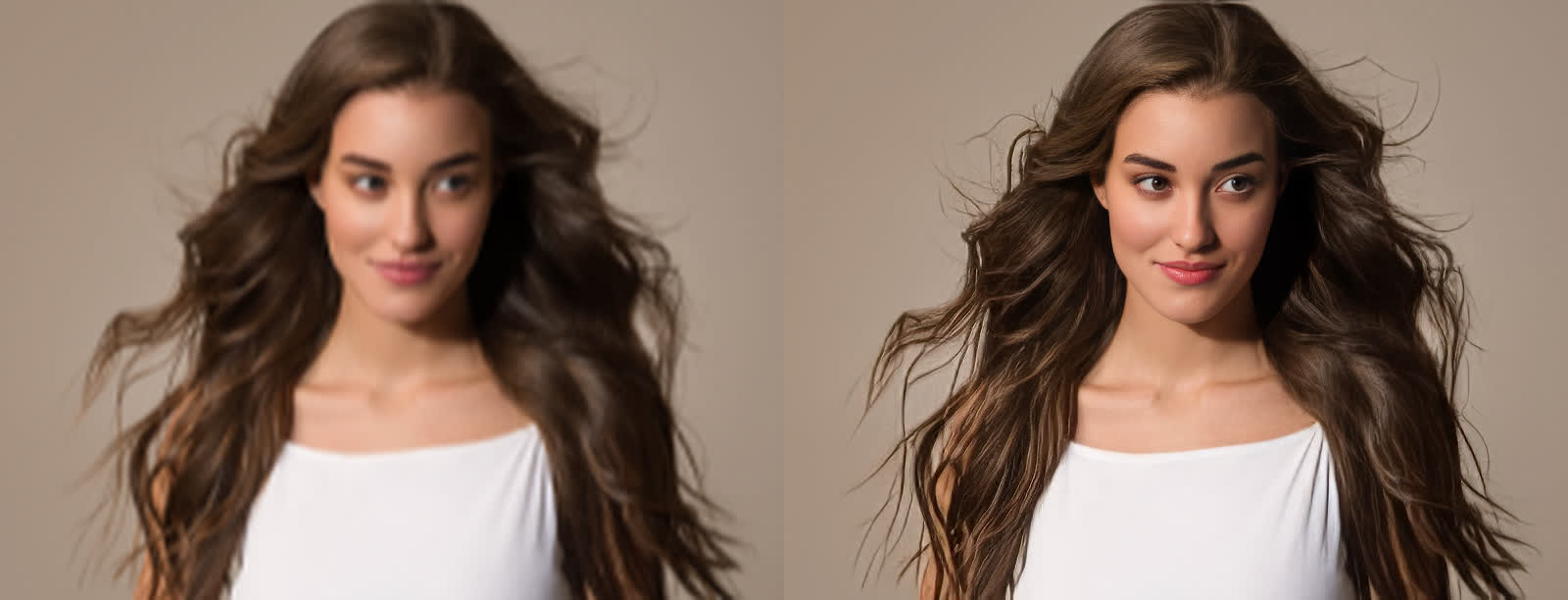
Overview: Provides a dual-model interface ("Face + Background") for 2x and 4x super-resolution. It optimizes portrait quality by combining a soft style for facial features with sharp detail generation for the background, while increasing resolution.
Technical Features: Utilizes a dual-model pipeline (Face Enhancement + Background Super-resolution). It elevates low-quality images to high-definition standards, ensuring the skin appears soft and refined, while the background details are sharpened and enhanced simultaneously.
Use Cases: Ideal for improving low-quality portrait photos. It effectively handles images requiring a balance between beautification (soft skin) and clarity (sharp background).
Examples:
Portrait Model (Natural)
Corresponding to: Face Natural Model 2x / 4x
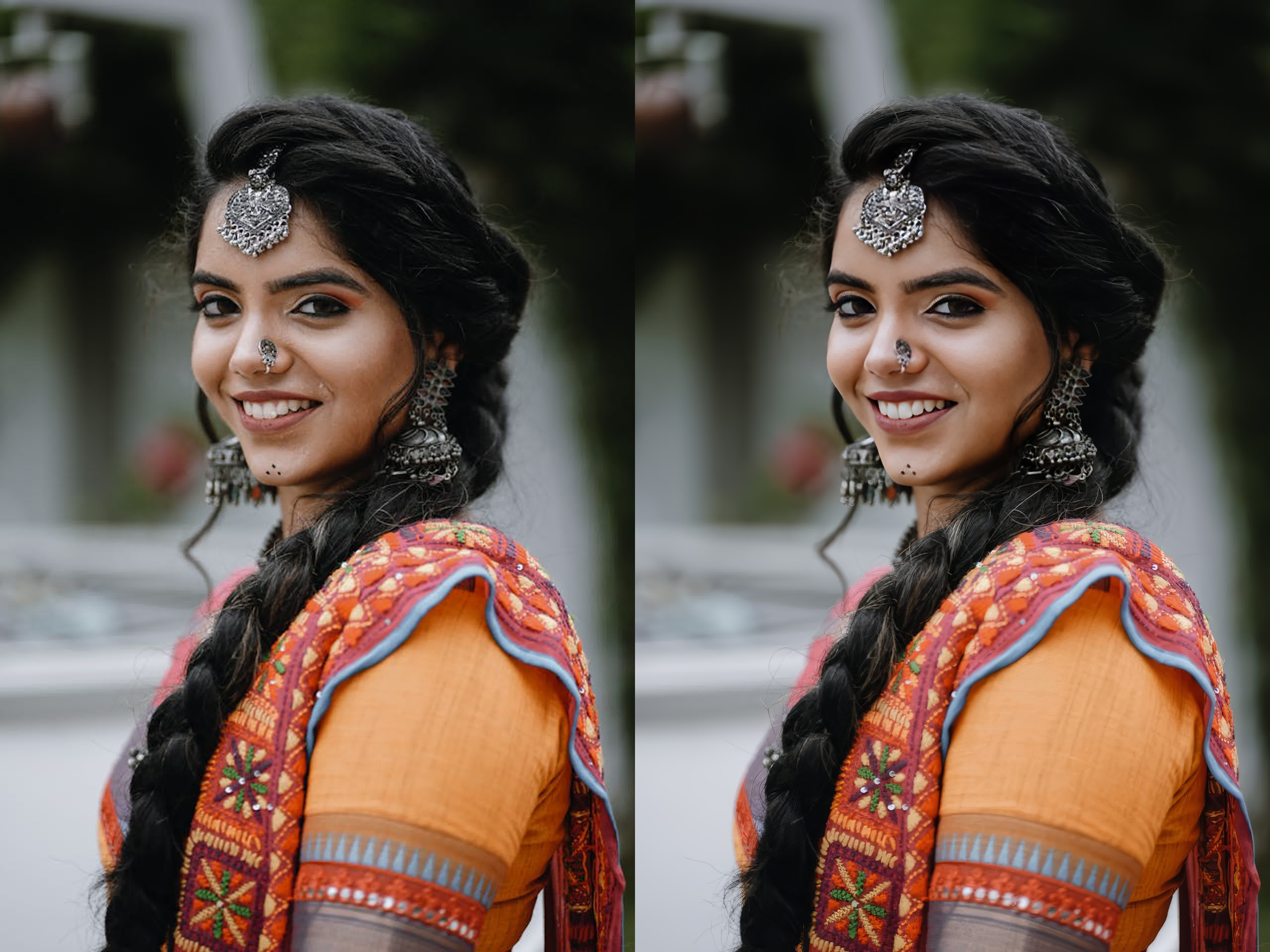
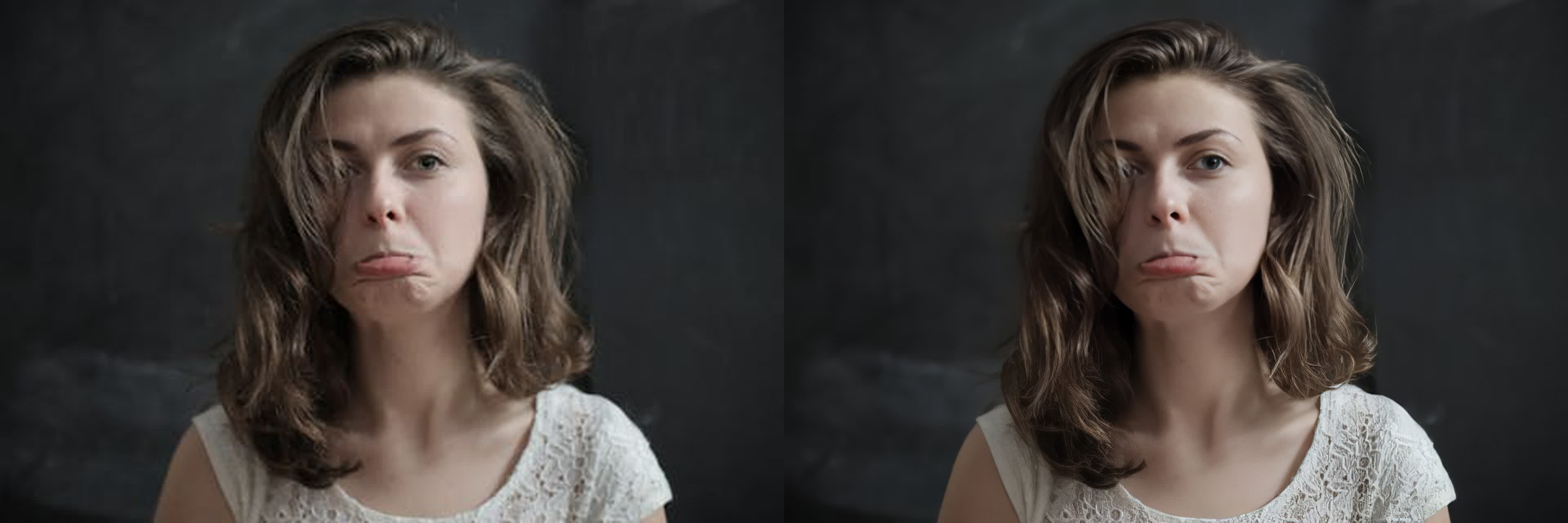
Overview: A specialized V2 model designed to improve low-quality portrait images. Unlike the "Clear" model, this version prioritizes the retention and restoration of realistic skin textures and facial details.
Technical Features: Focuses on high-fidelity texture recovery. It restores the natural grain and pores of the skin, providing a result closer to original raw photography rather than a smoothed "beauty filter" look.
Use Cases: Best suited for scenarios where realism is paramount, such as professional photography restoration or instances where preserving the original character of the subject is required.
Examples:
General Enhanced Model
Corresponding to: General Enhance Model 2x / 4x
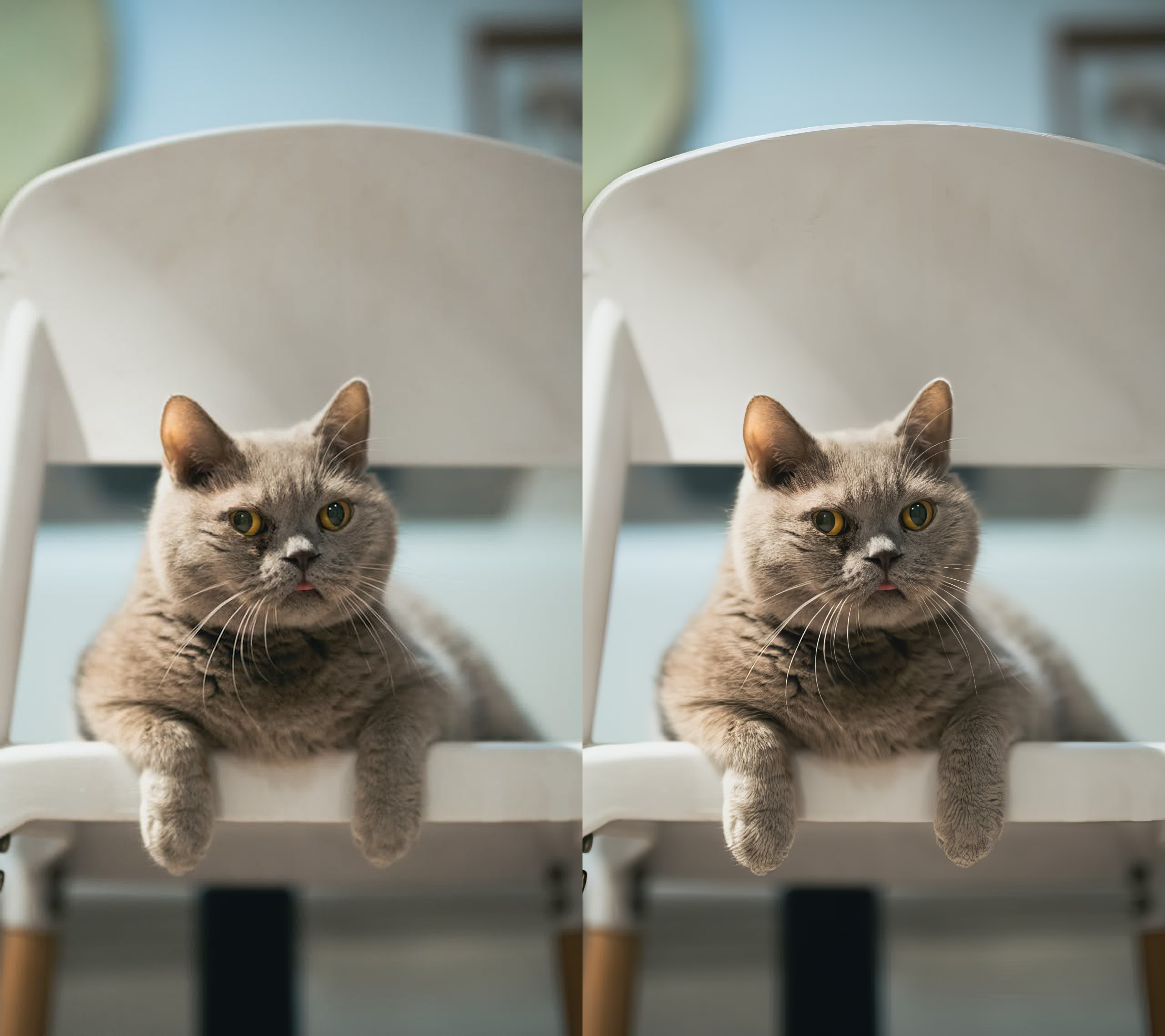
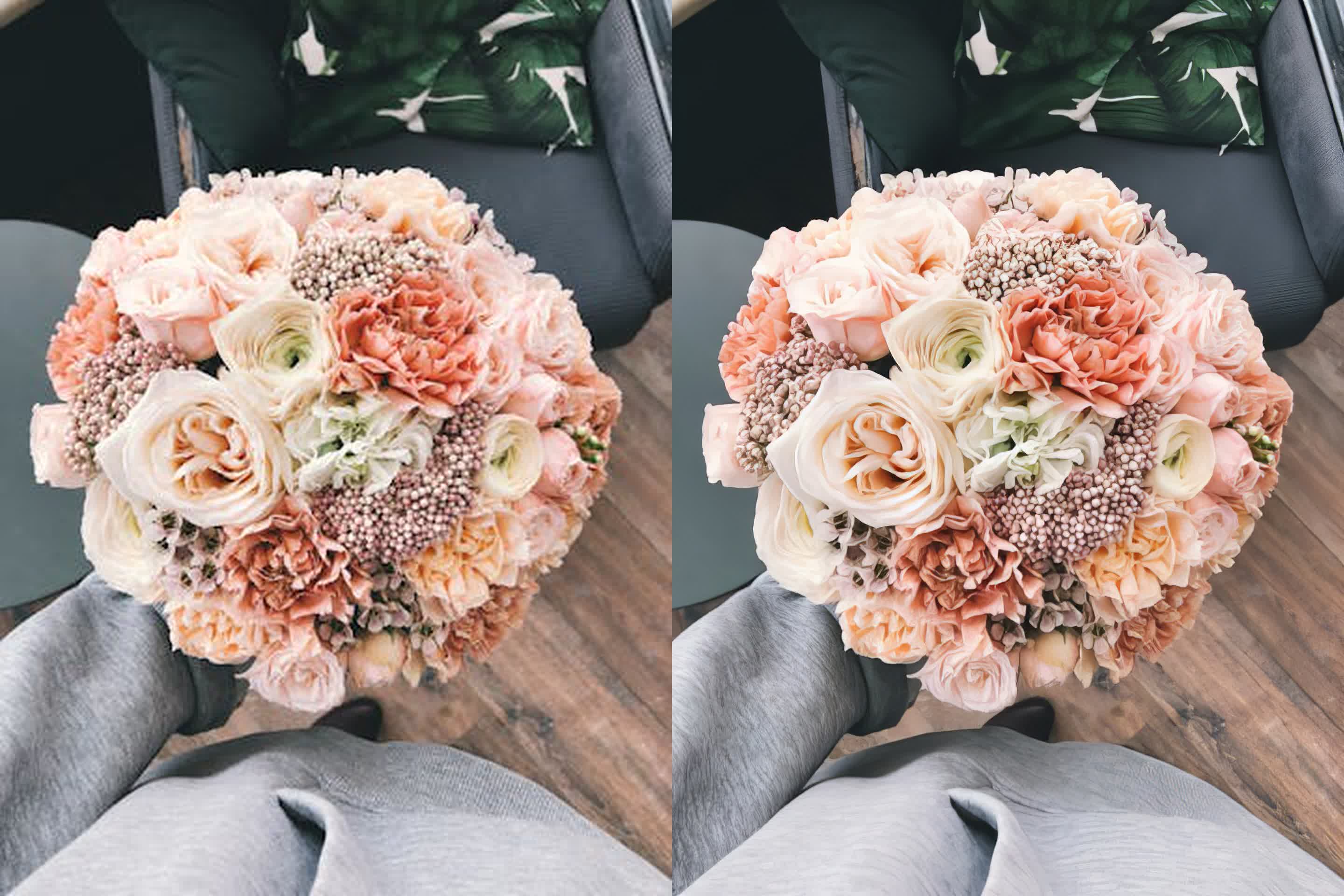
Overview: Provides interfaces for 2x and 4x super-resolution enhancement in general scenarios. It supports scaling image resolution by a factor of 2 or 4 while simultaneously optimizing overall image quality.
Technical Features: Built on a specialized super-resolution architecture, this model prioritizes the restoration of clarity and the generation of sharp, detailed textures while performing upscaling. It is tuned to improve low-quality images significantly.
Use Cases: Ideal for general-purpose scenarios involving low-resolution inputs. It effectively handles images with blur or missing details, regenerating sharp edges and textures.
Examples:
High Fidelity Model
Corresponding to: High Fidelity Model 2x / 4x
Overview: A super-resolution model designed for high-quality input images. It focuses on increasing resolution (2x or 4x) while strictly preserving the high-quality details and distinct textures of the original image.
Technical Features: Uses a conservative enhancement algorithm that avoids over-processing. It ensures that fine details in high-quality source materials are retained during the upscaling process without introducing artificial artifacts.
Use Cases: Perfect for professional photography or high-res source material that needs to be upscaled for large-format printing or 4K displays without altering the artistic intent or texture of the original.
Examples:

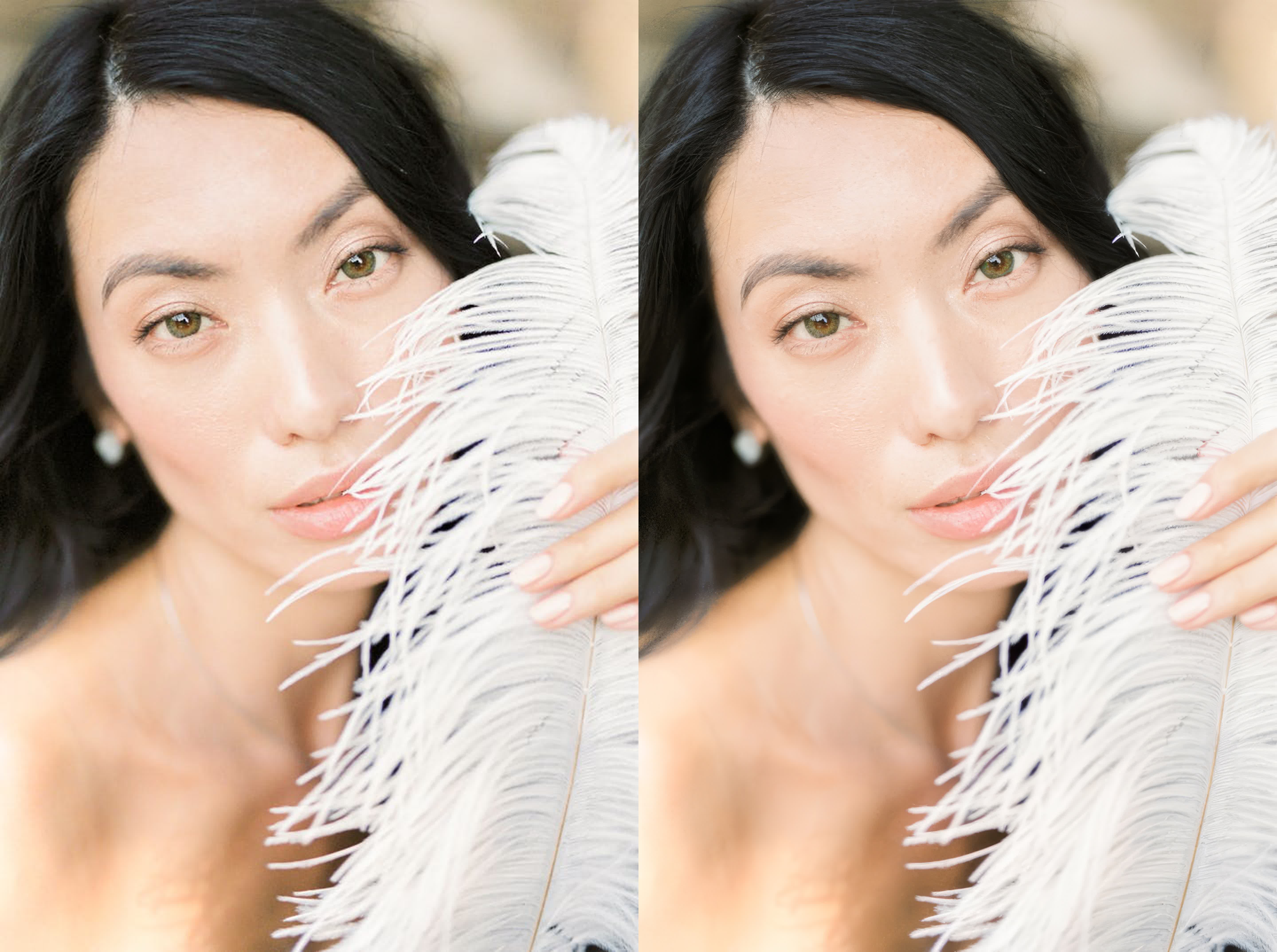
Sharp Denoise Model
Corresponding to: Sharp Denoise Model
Overview: A 1x enhancement interface (no resolution change) designed for general scenarios. It focuses on removing noise while sharpening image details.
Technical Features: Delivers a clear and sharp output. It aggressively removes visual noise and grain while simultaneously sharpening edges and textures to make the image pop.
Use Cases: Suitable for grainy photos taken in low light or images with digital noise that need to look crisp and clean.
Examples:
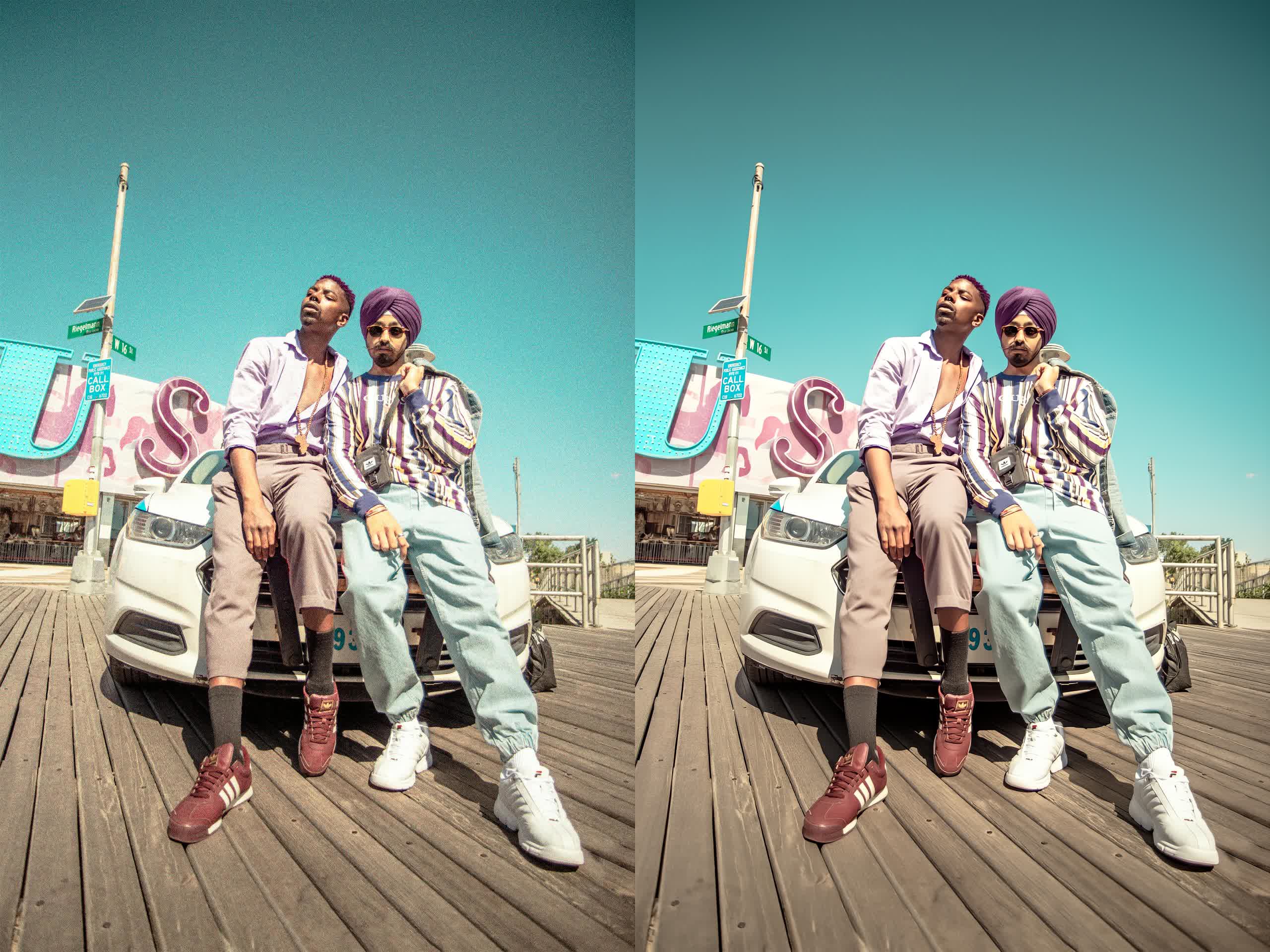
Detail Denoise Model
Corresponding to: Detail Denoise Model
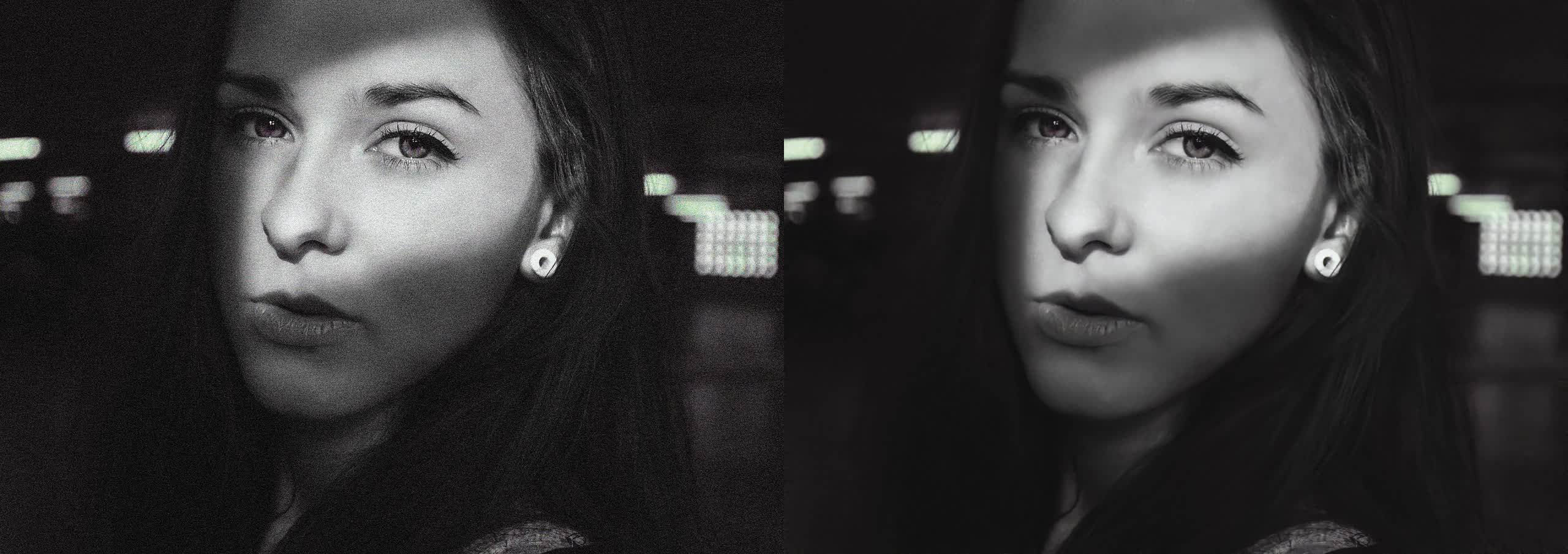
Overview: A 1x enhancement interface (no resolution change) designed for detail preservation. It removes noise while strictly adhering to the original image's texture and details.
Technical Features: Prioritizes fidelity and natural restoration. It removes noise and artifacts but avoids over-sharpening, ensuring the result looks natural and retains the original "feel" of the photo.
Use Cases: Ideal for images where preserving subtle textures is more important than achieving extreme sharpness, such as artistic photos or scanned documents.
Examples:
Get started by Purchasing an API Key Now to unlock full access to the HitPaw Enhancement API.